

about
Layering clay feels much like layering time.
Each stratum holds traces of moments that cannot be seen, and over time, they rise together into a single form. When my hands gently open the mouth of a vessel, a quiet stillness begins to breathe inside it. What appears is not something meant to stand out, but a calm presence—one that naturally finds its place beside everyday life.
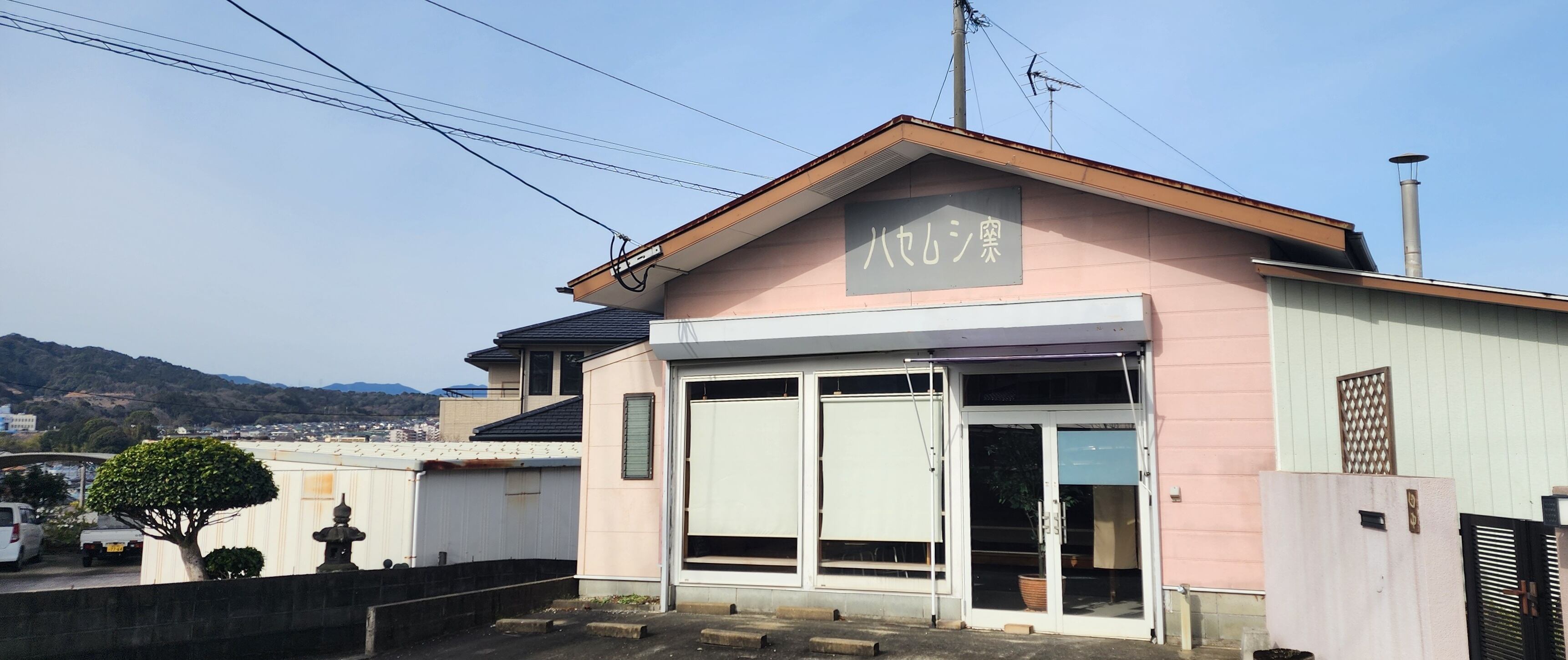
I work in a small atelier next to my home in Onojo City, Fukuoka, Japan. It is a quiet residential area, where daily life unfolds at an unhurried pace. A nearby elementary school carries the distant voices of children through the air, and beyond that lie mountains and rivers that mark the passing seasons. I live and work here with my wife, sharing a simple and grounded way of life shaped by this environment.
This land lies close to Dazaifu, once the political and cultural center of ancient Kyushu. The area is rich in ceramic history, with many kiln sites where Sue ware was fired centuries ago. While working with clay, I often find myself thinking of those who shaped vessels here long before me. At times, I imagine that my own ancestors may also have been potters—an unproven thought, perhaps, but one that quietly deepens my connection to this place and to the act of making.
My work is created primarily using neriage, a traditional Japanese technique in which layers of differently colored clay are stacked and thrown on the wheel. I do not attempt to fully control the patterns. Instead, I listen closely to the movement of the clay and allow forms and surfaces to emerge through the process itself. It is within this balance of intention and chance that each piece finds its character.
Because every step is done by hand, each piece requires time and attention, and only a small number can be made. For this reason, I do not sell through galleries or physical shops. I choose instead to share my work through this online store, hoping that these pieces may travel beyond borders and quietly become part of someone’s daily life.
These vessels are not meant to dominate a space. Whether holding flowers or resting on their own, they are intended to exist calmly, in harmony with their surroundings. If, in the course of everyday life, one of these pieces offers a moment of pause or a sense of stillness, then it has fulfilled its purpose.
Today, as always, I continue to work quietly with clay, allowing time, place, and material to guide my hands.
Hasemushi Kiln
Founded and directed by Tsuneharu Tanaka (b. 1971)
Graduated from Fukuoka University and Arita College of Ceramics
2004 Opened Togen Ushikubi Ceramic Studio
2005 Started “Ceramics of the Four Seasons” course at Onojo Lifelong Learning Center (until 2016)
2007 Launched mobile ceramic workshops “Iroha Ceramics” for elderly care facilities
2009 Renamed the studio to Hasemushi Kiln
2020 Suspended teaching activities and began focusing on the production and sale of neriage vessels